
Oxidation #3 – Talented Ego
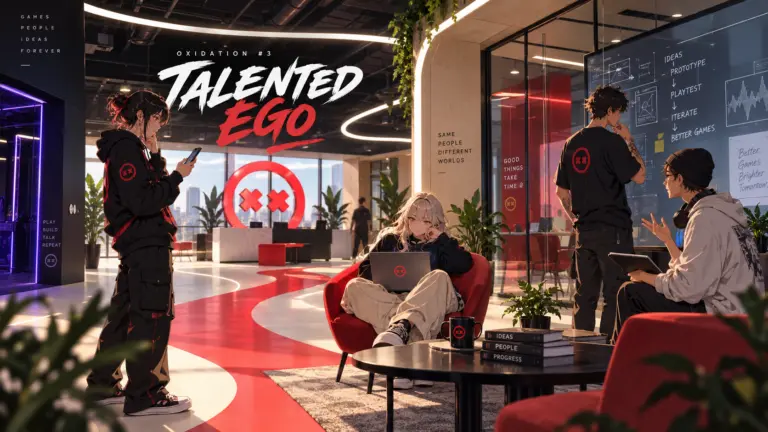
Rust is built from thousands of personal decisions. Talented Ego follows the developers, artists and designers whose judgment, persistence and individual fingerprints became part of the game.
Rust’s visible updates are only part of its history. Behind them, Facepunch has rebuilt networking, abandoned HDRP while keeping its assets, integrated outside technologies, taken control of middleware, modified Unity itself and begun developing a Rust Render Pipeline. Pimp My Ride follows the machinery underneath the game.
Rust began by leaving its DayZ-inspired direction behind. Over the next thirteen years, Facepunch kept testing new answers: interactive monuments, NPC settlements, offshore worlds, wipe events, player-maintained infrastructure and connected servers.
On 26 April 1983, the South Atlantic map looked stable. The power moving across it was not. From Ascension and Conakry to Angola, Haiti and the Falklands, sovereignty, access, force, culture and communication rarely belonged to the same actor.
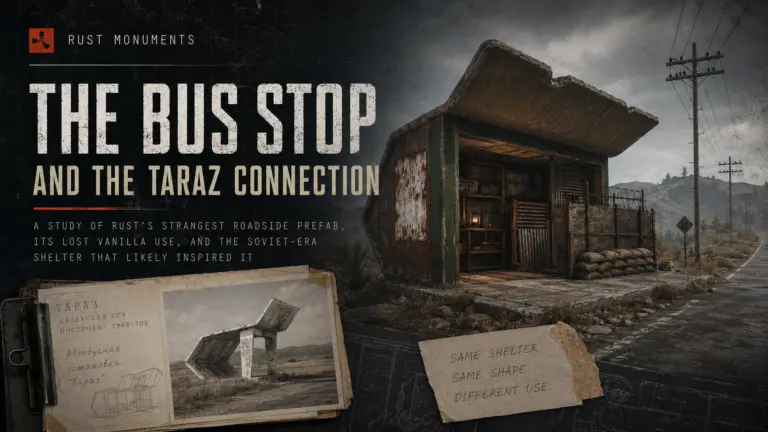
Rust’s Bus Stop traces back to Soviet roadside architecture near Taraz, Kazakhstan, revealing how a useless prefab became player folklore.