Oxidation #7 — Resonance
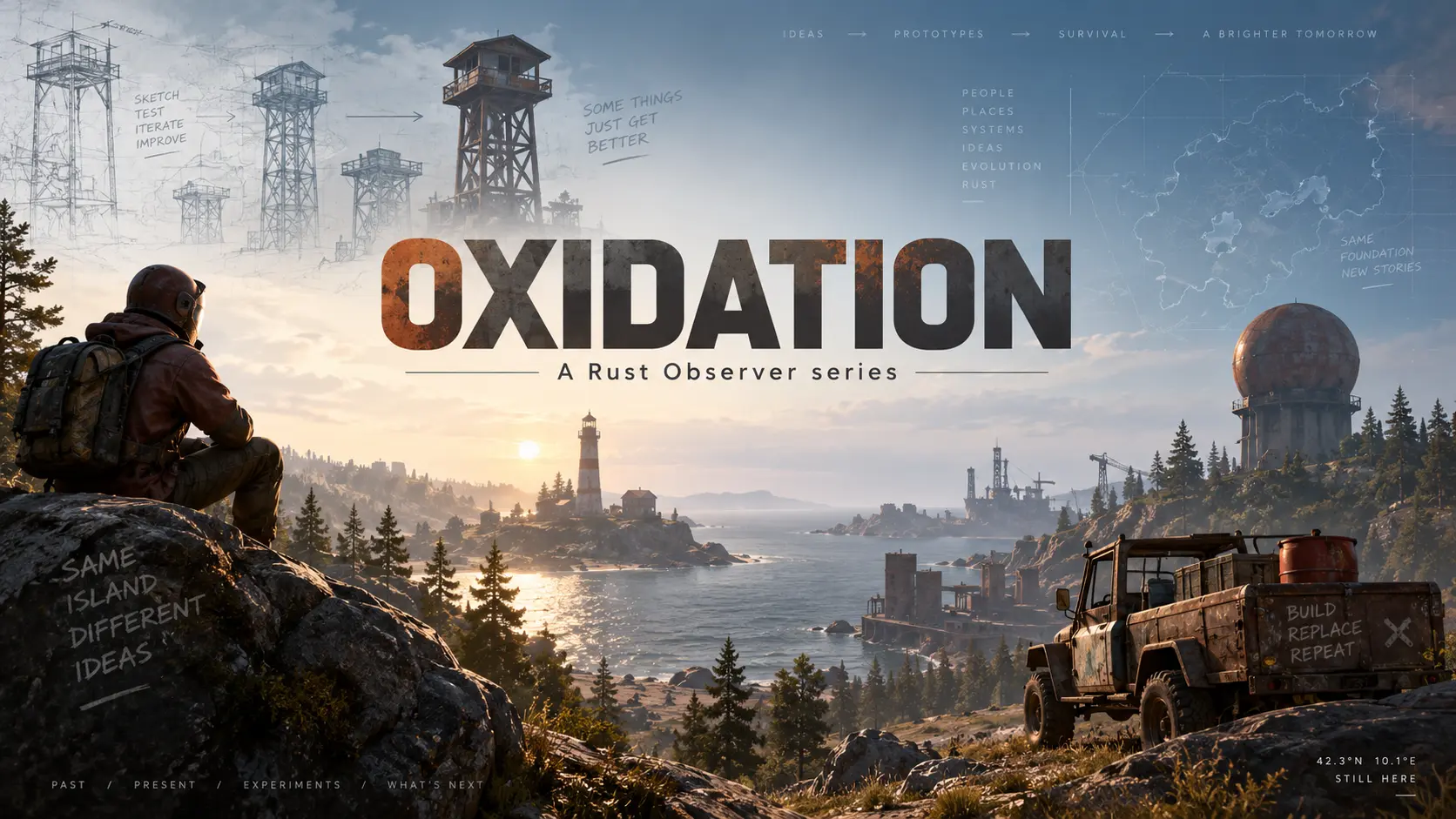
Rust does not end at the edge of the island. Creators, viewers, platforms, events and communities carry its stories outward — and sometimes bring them back changed.
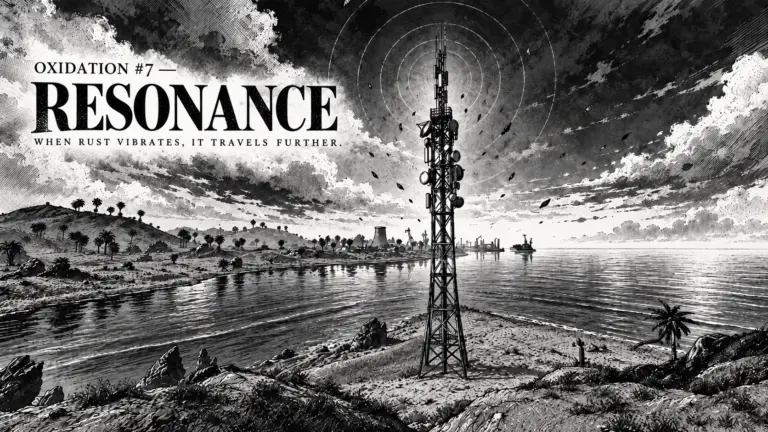
Rust does not end at the edge of the island. Creators, viewers, platforms, events and communities carry its stories outward — and sometimes bring them back changed.
By the time we spawn on the beach on April 26, 1983, merchandise is already everywhere. Pac-Man has escaped the arcade. Contemporary advertising has him on watches, shoes, plush toys, cereal and almost anything else capable of carrying a yellow circle with a mouth. By 1983, his own official history remembers the character being described…
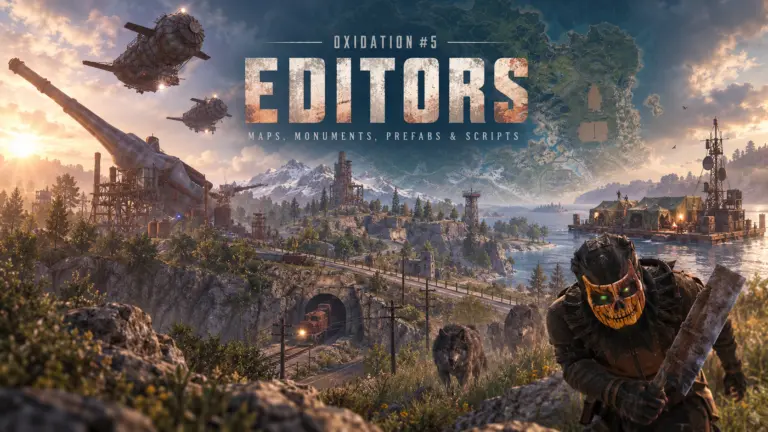
Beyond Facepunch, another layer of Rust is built by its Editors: Engineers creating monuments and tiny prefabs, Cartographers reshaping entire islands, and Scripters turning familiar places into new experiences.
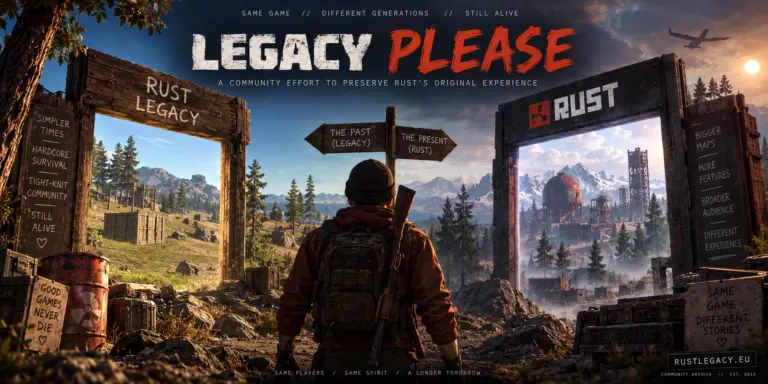
What if Rust Legacy appeared on Steam today? Oxidation #4 rediscovers the original Rust through contemporary reviews, gameplay tests, Experimental, game preservation projects and RustLegacy.eu.
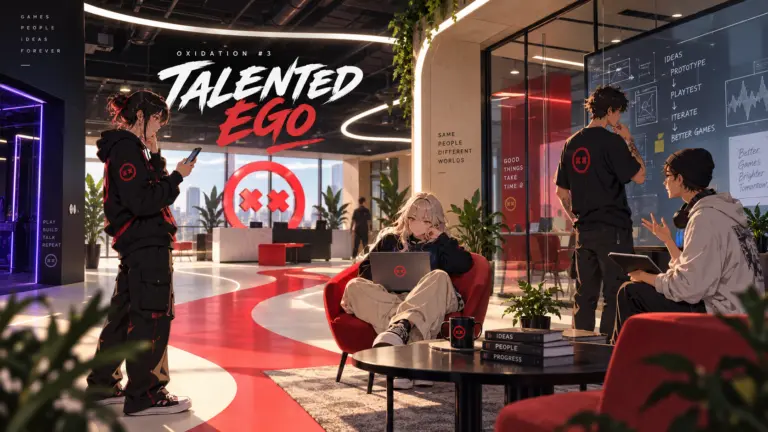
Rust is built from thousands of personal decisions. Talented Ego follows the developers, artists and designers whose judgment, persistence and individual fingerprints became part of the game.
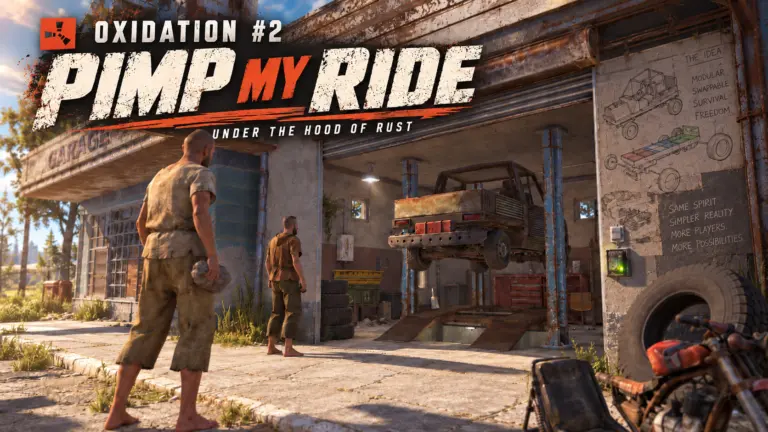
Rust’s visible updates are only part of its history. Behind them, Facepunch has rebuilt networking, abandoned HDRP while keeping its assets, integrated outside technologies, taken control of middleware, modified Unity itself and begun developing a Rust Render Pipeline. Pimp My Ride follows the machinery underneath the game.
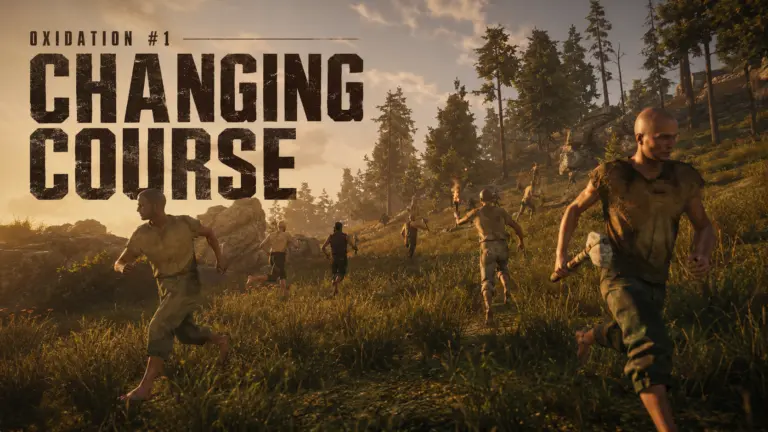
Rust began by leaving its DayZ-inspired direction behind. Over the next thirteen years, Facepunch kept testing new answers: interactive monuments, NPC settlements, offshore worlds, wipe events, player-maintained infrastructure and connected servers.